
By Alexander White
McKinney is changing. With a population now over 237,000—up more than 13,000 since just last year—new homes are going up fast, commercial developments are sprouting, and the city is sprawling in ways few of us thought possible. More roads, more subdivisions, more neighbors.
The Heartbeat Beyond Growth: Why Community Matters
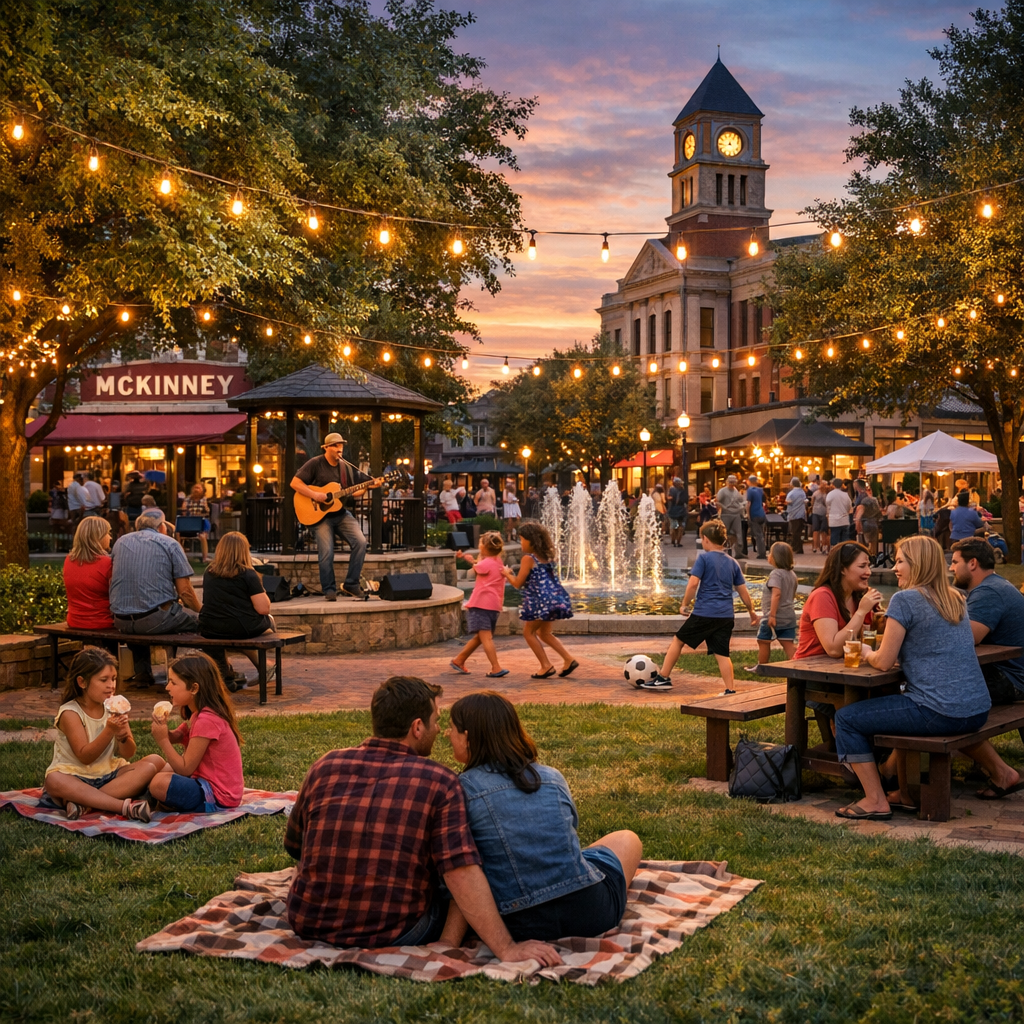
One of the things that makes McKinney special isn’t just how nice the homes are or how well planned everything looks—it’s how we still come together. Our town square, our parks, the way people say hello in line at the coffee shop. Even as our city grows, those moments matter.
Public safety often gets strong marks in city surveys, and residents say they like how visible our green spaces are. But there’s also growing concern over transit, more traffic, and preservation of what makes McKinney feel like home.
Challenges That Hit Close to Home
Affordability and Housing Diversity
Homes are popping up in areas like Painted Tree, Trinity Falls, and Highland Lakes, and while new developments bring opportunity, many long-term residents worry about rising property costs and limited options for first-time buyers.
Transit and Traffic
Because McKinney is still expanding, many find that public transportation options are limited, service hours and route coverage aren’t always reliable, and commuting is increasingly frustrating. The desire for expanded transit, especially to connect with nearby cities, is one recurring theme among feedback from residents.
Maintaining Our Local Character
It’s about small things: a friendly downtown shop, tree-lined sidewalks, knowing your neighbors. Many of us fear those features will fade unless we make conscious choices to guard them—through smart zoning, historic preservation, and commitment to quality public spaces.
What Each of Us Can Do
Growth doesn’t have to mean losing ourselves. It takes engagement and intention.
- Volunteer locally—at parks, libraries, or with emergency preparedness programs. Small commitments build big connections.
- Attend city meetings or review proposals—especially in high-growth areas like the northwest sector—so you can have input on how development aligns with what you care about.
- Support affordable housing measures. Encourage diverse housing types so people with different incomes and backgrounds can stay and grow here.
- Preserve parks, public gathering spots, and downtown spaces—these are the threads that hold our community fabric together.
Change is coming, as it always does. But how we respond—whether with attention to what makes a place feel like home—makes all the difference. McKinney can grow without losing the warmth, identity, and pride that brought many of us here in the first place.